Protecting Your Teeth and Gums From Bacteria
Nobody likes hearing “Looks like you have a cavity” or “Oh, this patch of gums looks a little inflamed” when they visit their dentists in Centralia WA. If you do have cavities or gum disease, we can treat them with fillings or crowns and deep cleanings, but there’s also a lot that can be done, both at home and in the dental office, to prevent these dental problems from developing in the first place.
An Intro to Cavities
Dental cavities are holes that can form in a tooth. They begin with whitish patches where the tooth enamel has been demineralized (meaning it has lost some of the minerals that keep it strong). At this stage, they can still be reversed. If the demineralization continues unchecked, the area can start turning brown and eventually black, and visible holes may form in the surface. Oral bacteria use cavities to reach the inner layers of the tooth, through the enamel and dentin and into the pulp chamber, roots, and surrounding bone.
What Is Gum Disease?
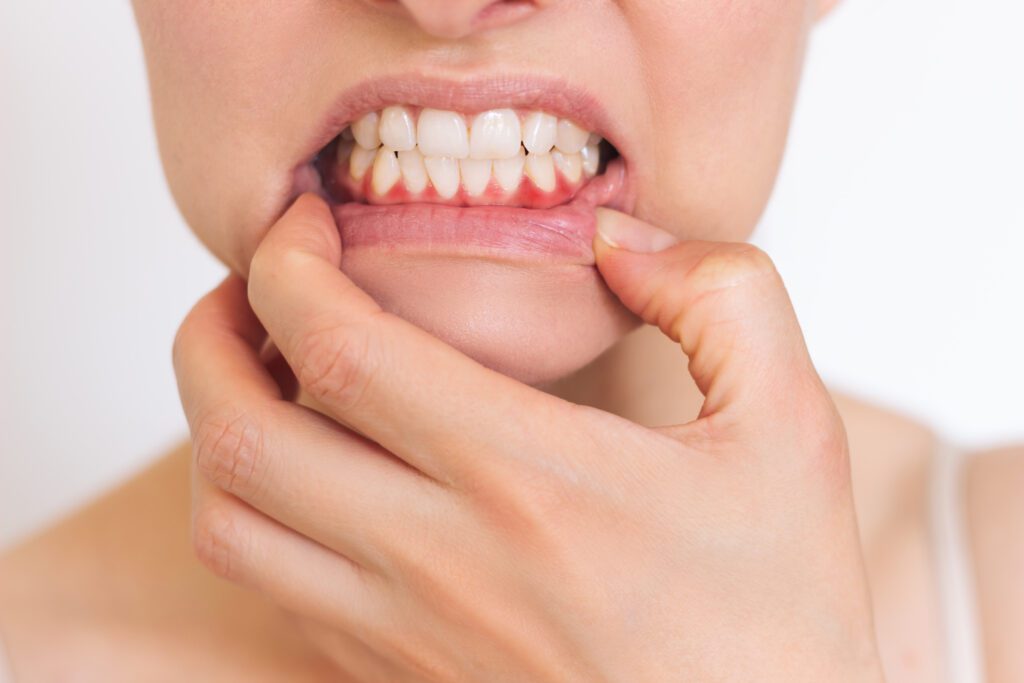
Gum disease is an inflammation of the gum tissue due to a buildup of plaque. At the early stages, it may not be painful, but symptoms include red or swollen gums, bleeding when flossing or brushing, persistent bad breath, and a bad taste in your mouth. This stage is gingivitis, but it can develop into periodontal disease if not treated. This stage is much more serious, as it can actually damage the bone and tissues that support the teeth, causing gums to pull away from the teeth and even leading to tooth loss.
Your Home Dental Habits Are Crucial
Preventing cavities and gum disease are the main reasons your dentists in Centralia WA are constantly urging patients to remember their brushing and flossing habits. You clean away food debris, strengthen your tooth enamel, and remove plaque before it can harden into tartar when you brush and floss.
For best results, brush twice a day with a soft-bristled toothbrush and a fluoride toothpaste. It’s important for the brush to have soft bristles because hard bristles can actually scrape away gum tissue (this is called overbrushing, and it’s a major cause of gum recession), and it’s important for the toothpaste to include fluoride because that supplies your tooth enamel with fresh minerals to get stronger, reversing the demineralization process.
Flossing daily is just as important as brushing, if not more so. Cavities can easily form where two teeth touch if we aren’t removing the plaque regularly, and gum disease is much harder to avoid if we’re not cleaning out the plaque from right under the gumline. If you dislike flossing because of the way the floss snaps your gums, you might be doing it wrong. Wrap the floss in a C-shape around one of the two teeth and wiggle it carefully down. Repeat in both directions at every gap. No snapping! Alternatively, you could use floss picks or a water flosser.
How Much Sugar We Consume (and When) Matters
Aside from good daily habits, it’s also helpful to your oral health to reduce your sugar intake. Sugar is harmful oral bacteria’s favorite food. The bacteria consume any sugary or starchy debris left on our teeth and gums after and excrete acid, which erodes tooth enamel. Eating less sugary food and drinking less sugary soda and juice goes a long way, but so does limiting the window of time in which you eat and drink them. Stick to mealtimes and avoid sipping or snacking in between.
Regular Visits to your Dentists in Centralia WA Are Key!
Keeping up with your oral hygiene routine and reducing the amount of sugar you eat will do so much for your teeth and gums, making cavities and gum disease much less likely, but the final ingredient for good oral health is regular dental visits. The hygienists at Roberts Wellness Dental can remove any plaque or tartar you couldn’t get rid of at home, and our dentist can catch the early signs of cavities or gum disease when they’re easiest to fight.